Why Particulate Counting is Becoming The Next Big Thing In Mold Detection in Hamilton NJ
Why Particle Counting Is Becoming the Next Big Thing in Mold Detection in Hamilton, NJ
Homeowners in Hamilton are becoming more aware of the hidden dangers of indoor mold contamination. Traditionally, mold inspections have relied heavily on visual inspections, moisture readings, and laboratory air sampling. While these methods are still important, a newer technology is rapidly gaining attention in the mold industry: particulate counting.
Particle counting is changing how professionals evaluate indoor air quality because it provides real-time data about airborne contamination levels inside a home or business. In areas like Hamilton, NJ — where humid summers, wet basements, attic condensation, and seasonal moisture problems are common — particulate monitoring is becoming one of the most valuable tools in modern mold detection.
What Is Particulate Counting?
Particulate counting uses specialized laser particle counters to measure the concentration of airborne particles inside a property. These instruments can detect microscopic particles floating in the air, including:
Mold spores
Dust
Pollen
Fiberglass particles
Construction debris
Smoke particles
Bacteria-sized particulates
Unlike traditional mold air sampling that requires sending samples to a laboratory and waiting days for results, particulate counting gives immediate feedback during the inspection process.
Modern laser particle counters can measure particles as small as 0.3 microns, which overlaps with the size range of many common mold spores.
Why Hamilton NJ Homes Are Ideal for Particle Monitoring
Homes throughout Hamilton Township and Mercer County frequently experience moisture conditions that contribute to elevated airborne particulate levels. Common causes include:
Basement humidity
Crawlspace moisture
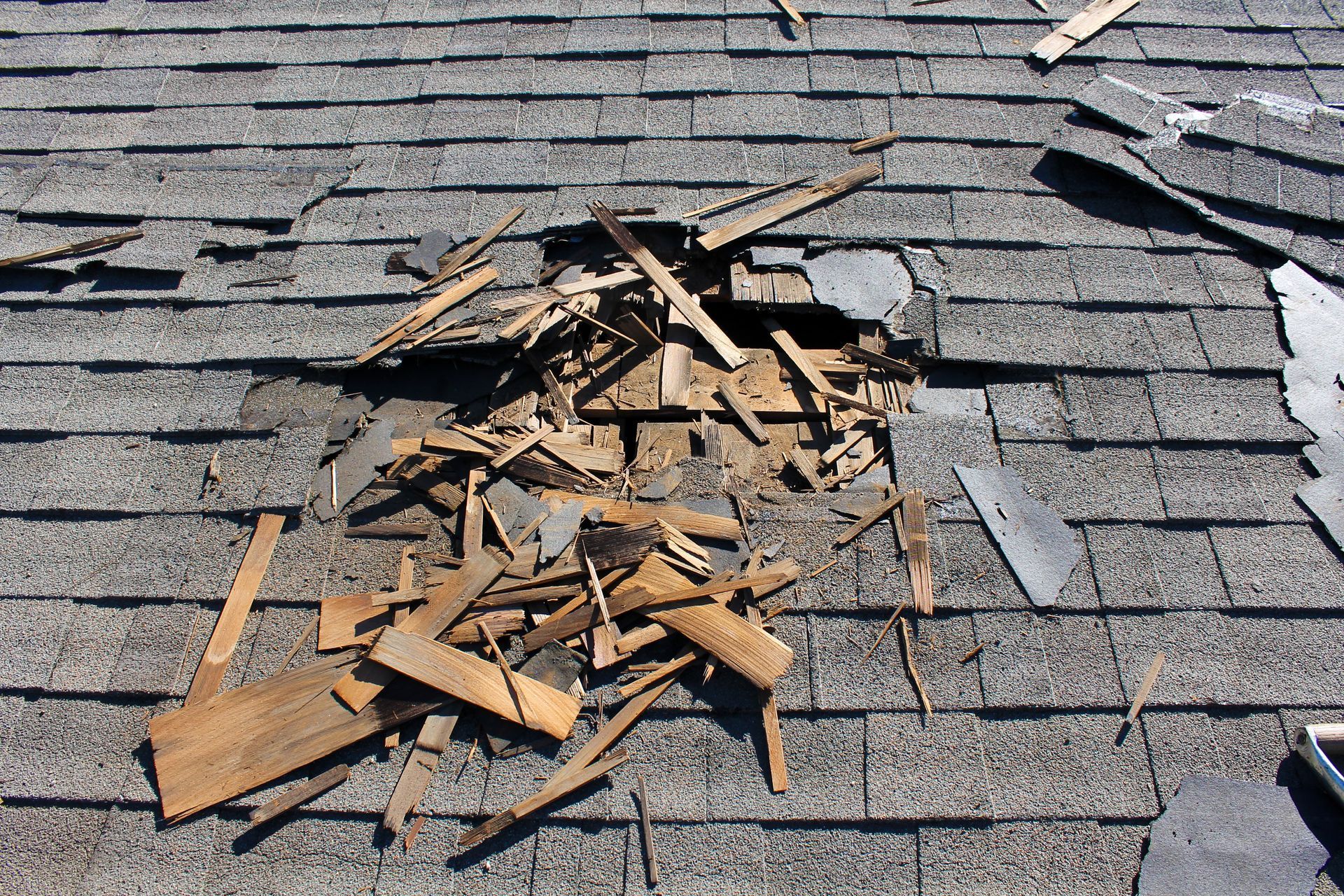
Roof leaks
Attic condensation
HVAC contamination
Poor ventilation
Water intrusion after storms
Hidden mold growth behind walls
When mold colonies become active, they release spores and fragments into the air. These airborne particles can spread throughout the home through natural airflow and HVAC systems.
Particle counting helps identify when a property has abnormal airborne contamination levels — even before visible mold is discovered.
How Particle Counting Helps Detect Mold Problems
One of the biggest advantages of particulate counting is the ability to identify airborne activity in real time.
During a mold inspection, professionals can compare indoor particle levels against outdoor air levels and against unaffected areas of the home. Elevated indoor particle concentrations may indicate:
Active mold growth
Disturbed mold contamination
Poor indoor air quality
HVAC contamination
Hidden moisture issues
This technology is especially useful during mold remediation projects because it helps determine whether airborne particles are being successfully reduced during the cleaning process.
Many remediation professionals now use particle counters before, during, and after remediation to verify cleaning effectiveness.
Why Traditional Mold Air Testing Has Limitations
Traditional mold air sampling still plays an important role, but it also has limitations.
Air samples only capture a small snapshot of the air during a brief period of time. Mold spore levels can fluctuate depending on:
HVAC operation
Humidity
Air movement
Weather conditions
Occupancy
Disturbance of contaminated materials
Additionally, laboratory analysis may take several days before results are available.
Particle counting helps bridge that gap by providing instant information about airborne contamination trends and overall indoor air cleanliness.
Some air quality experts now believe particulate monitoring may become a standard part of future mold inspections because it offers continuous, real-time environmental data.
The Future of Mold Detection in Hamilton NJ
As indoor air quality awareness continues growing across New Jersey, more homeowners are looking for proactive ways to monitor their homes.
Particle counting is becoming increasingly popular because it can:
Detect elevated airborne contamination quickly
Help identify hidden issues
Monitor remediation effectiveness
Verify air cleaning performance
Improve indoor air quality assessments
Provide real-time readings during inspections
While particulate counting alone cannot identify the exact species of mold present, it provides valuable data that complements traditional mold inspections and laboratory testing. Experts note that particle counters measure airborne particulate levels rather than specifically identifying mold species.
Why Homeowners in Hamilton NJ Should Pay Attention
Indoor air quality is becoming one of the biggest concerns for homeowners throughout Mercer County. Many families are now prioritizing cleaner indoor environments, especially in homes with:
Children
Elderly occupants
Allergy sufferers
Asthma concerns
Previous water damage
Persistent musty odors
By combining moisture detection, visual inspections, traditional mold testing, and advanced particulate counting technology, mold professionals can create a more complete understanding of a home's indoor air quality.
Professional Mold Detection in Hamilton NJ
If you suspect mold in your home, it is important to work with an experienced mold remediation and inspection professional who understands modern indoor air quality technology.
Advanced particle counting can provide another layer of information during the inspection process and may help identify airborne contamination issues earlier than traditional methods alone.
For homeowners in Hamilton, staying ahead of moisture and airborne contamination problems can help protect both your property and your indoor air quality for years to come.